Newsletter coming soon ...
knowledge is
POWER
BE INSPIRED TO MAKE EMPOWERED DECISIONS IN YOUR HEALTHCARE JOURNEY
Acupuncture FAQ
What is Acupuncture?
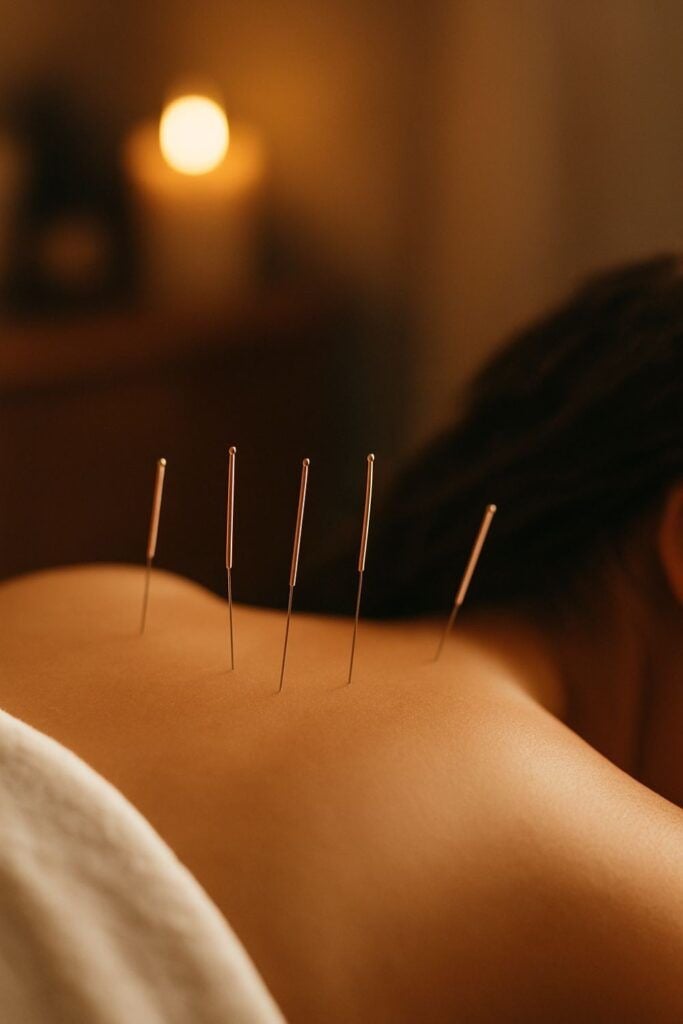
Acupuncture is a form of medicine that has been practiced for thousands of years and is now increasingly supported by modern scientific research. It involves the insertion of very fine, sterile needles into specific points on the body to stimulate natural healing processes and restore balance within the nervous system, muscles, connective tissues, and internal organs.
Although acupuncture originated within the framework of Traditional Chinese Medicine, modern research has demonstrated that its effects can be explained through several physiological mechanisms involving the nervous, endocrine, immune, and circulatory systems.
How Does Acupuncture Work?
When an acupuncture needle is inserted into the body, it creates a small, controlled micro-stimulation that activates sensory receptors in the skin and muscles. This stimulation sends signals through the nervous system to the brain and spinal cord, triggering a cascade of physiological responses.
Research has shown that acupuncture can:
Stimulate the release of endorphins and enkephalins, the body's natural pain-relieving chemicals.
Increase the production of serotonin and dopamine, neurotransmitters involved in mood, relaxation, and emotional wellbeing.
Activate the parasympathetic nervous system (the "rest and digest" state), reducing stress hormones such as cortisol.
Improve circulation and oxygen delivery to tissues.
Decrease inflammation by influencing immune cells and inflammatory cytokines.
Reduce muscle tension and improve mobility by interrupting pain signals and allowing muscles to relax.
Regulate the autonomic nervous system, helping restore balance in bodily functions such as digestion, sleep, hormone regulation, and immune function.
Brain imaging studies have even demonstrated that acupuncture can alter activity in regions of the brain involved in pain processing, emotional regulation, and stress response.
What Can Acupuncture Help With?
Acupuncture is commonly used to support:
Neck and back pain
Headaches and migraines
Sciatica
Sports injuries
Arthritis and joint pain
Stress and anxiety
Fatigue and burnout
Sleep disturbances
Digestive disorders
Hormonal imbalances
Menstrual concerns
Fertility support
Immune health
Chronic pain conditions
Nervous System regulation
Many patients also choose acupuncture simply because they want to feel healthier, calmer, and more energised.


What Does Acupuncture Feel Like?
The needles used are incredibly fine—approximately the thickness of a human hair. Most people are surprised by how gentle the treatment is.
You may experience a small pinch during insertion, warmth or tingling, a dull ache or heaviness or a sensation of pressure or energy moving.
These sensations are normal and usually indicate that the nervous system has responded to the stimulation.
Many people become deeply relaxed during treatment and even fall asleep.
3863 2661
Are There Any Side Effects?
Acupuncture is considered extremely safe when performed by a qualified practitioner.
Possible side effects include:
• Mild bruising
• Temporary soreness
• Feeling tired afterwards
• Light-headedness if you have not eaten
• Temporary emotional release
• Mild worsening of symptoms before improvement as the body adapts
Serious side effects are exceptionally rare.


Quantum Wellness
FAQ
What is Acoustic Resonance Therapy?
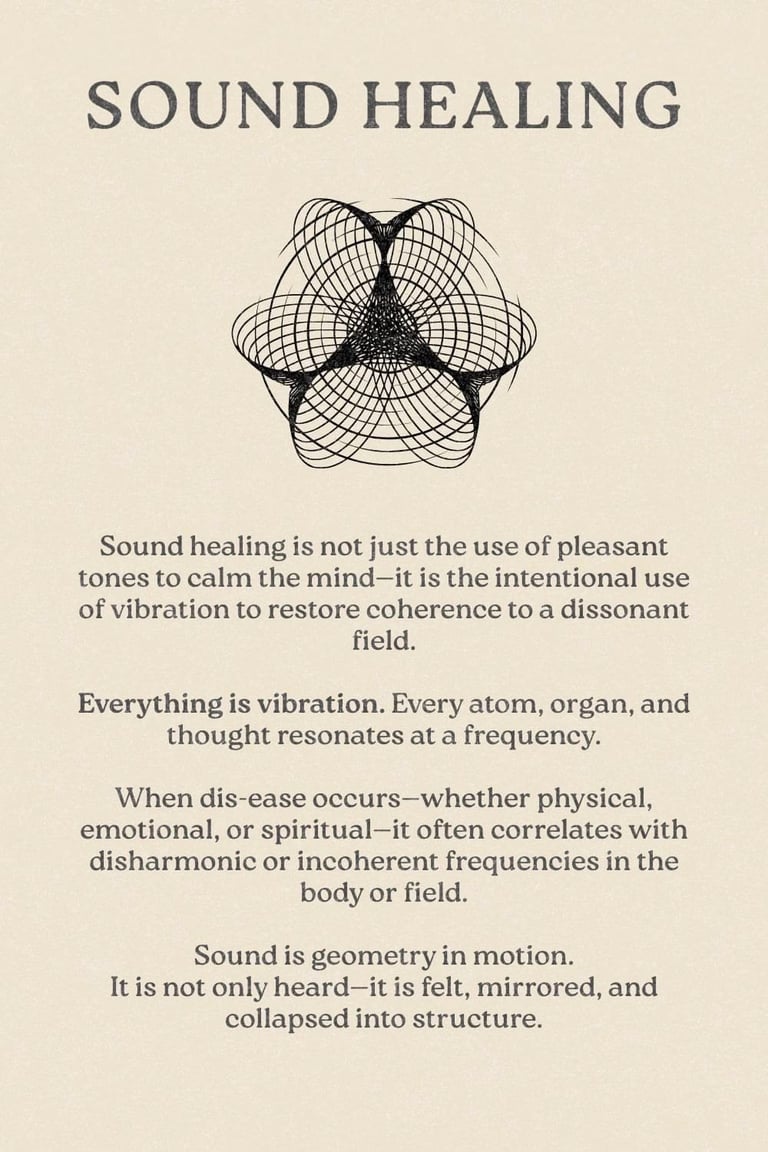
Acoustic Resonance Therapy is a non-invasive wellness therapy that uses carefully calibrated sound frequencies and gentle vibrations to create mechanical stimulation throughout the body.
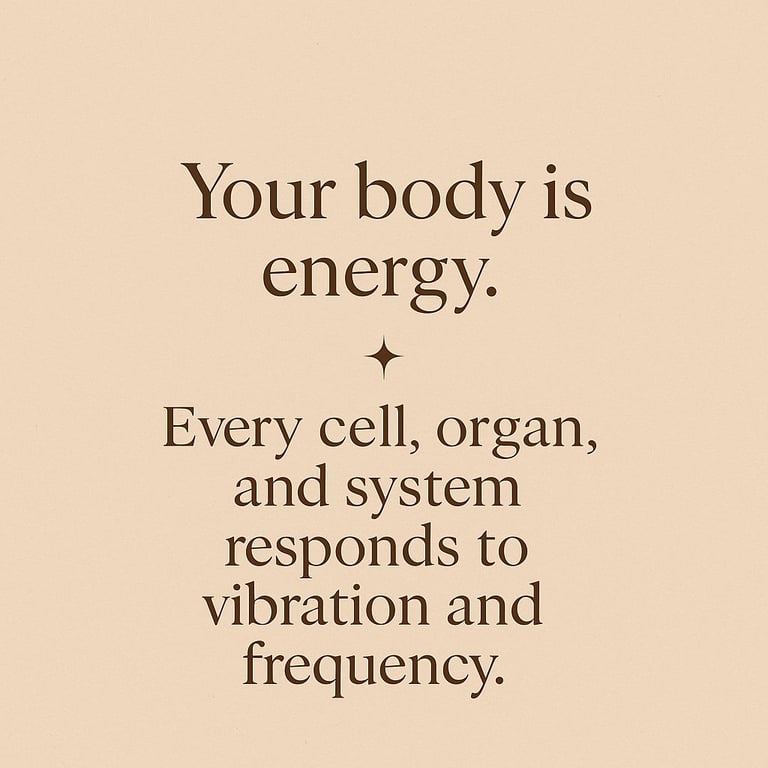
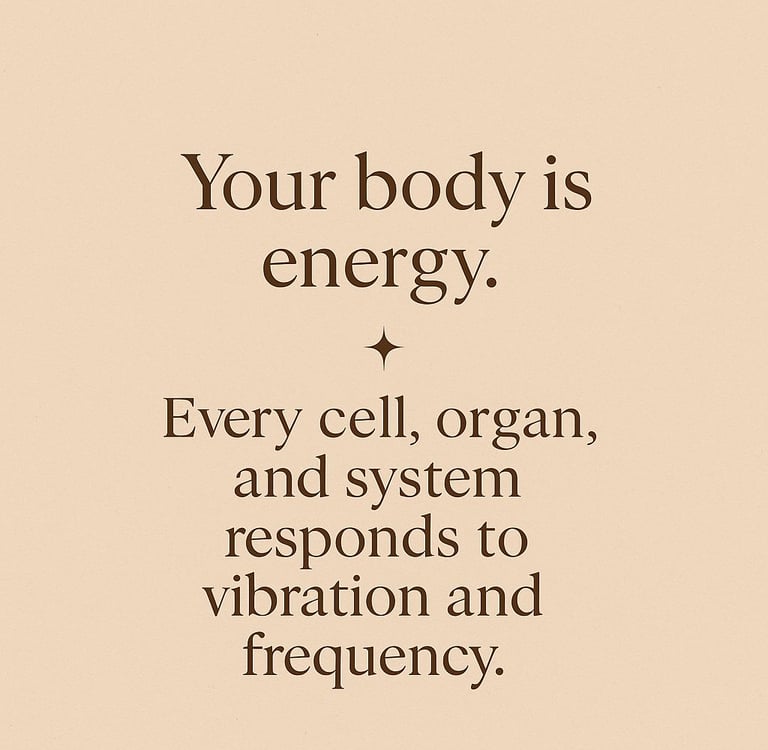
Although we often think of sound as something we only hear, the body is also capable of feeling and responding to vibration. Every cell, tissue and structure within the body exists within a constantly changing environment of electrical activity, chemical signalling and mechanical forces.
Modern research in fields such as biophysics, mechanobiology and cellular communication has shown that cells are not isolated structures. They continuously receive and interpret information from their surroundings, including pressure, movement and vibration. This process, known as mechanotransduction, describes the way cells convert physical forces into biochemical signals that influence how they function and communicate.
Acoustic Resonance Therapy applies these principles by delivering gentle vibrational frequencies through the body to support relaxation, nervous system balance, circulation and a healthier internal environment.
Many people seek this therapy as a way to help their body transition from a state of constant stimulation and stress into a deeper state of rest, recovery and regulation.
How Does Acoustic Resonance Therapy Work?
The human body is made up of trillions of cells that communicate every second through electrical impulses, chemical messengers and mechanical signals.
Acoustic Resonance Therapy works by introducing controlled vibrational input into the body. These vibrations interact with tissues, fluids and sensory pathways, creating responses throughout multiple systems to encourage better overall balance, physiological regulation and function.
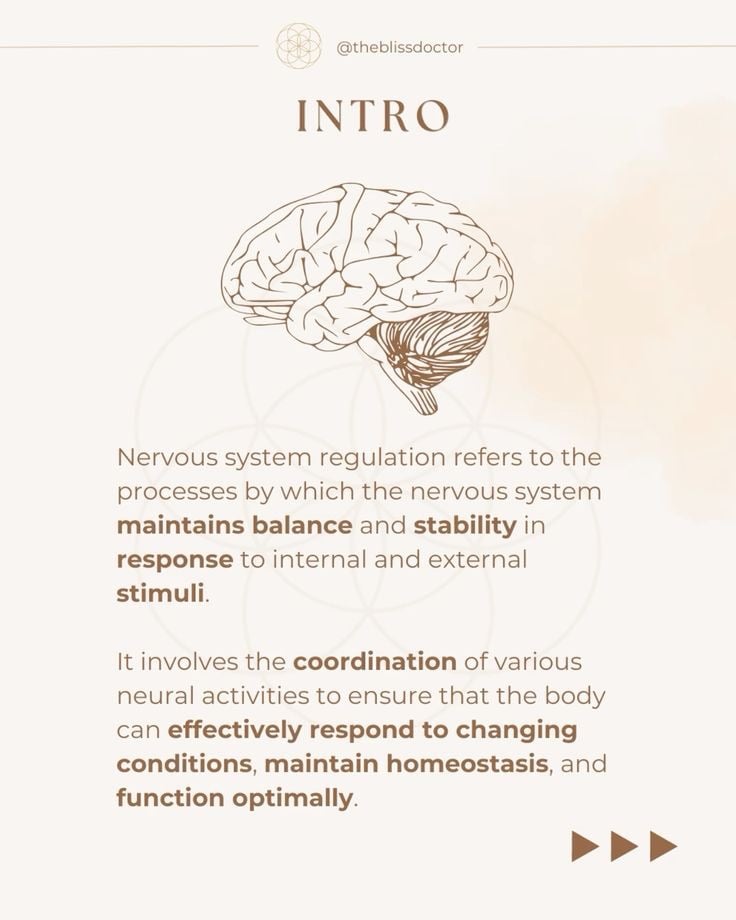
Nervous System Regulation
One of the most significant ways vibration affects the body is through the nervous system.
When the body experiences prolonged stress, it can become locked into a heightened state of sympathetic nervous system activity — commonly known as the “fight-or-flight” response.
Gentle rhythmic vibration may stimulate sensory receptors and encourage activation of the parasympathetic nervous system, the branch responsible for rest, digestion, recovery and restoration.
This may support:
• Reduced feelings of stress and overwhelm
• A calmer mental state
• Relief from physical tension
• Improved ability to relax
• Better emotional regulation
• A greater sense of groundedness
How Does Vibration Affect Cells?
Cells constantly respond to their physical environment. They sense pressure, movement and mechanical changes through specialised structures within their membranes and surrounding tissues.
This biological process is called mechanotransduction.
Research into mechanobiology has demonstrated that mechanical signals can influence cellular behaviour, including:
Cell communication
Tissue adaptation
Structural organisation
Movement of nutrients and waste products
Cellular responses to their environment
Acoustic Resonance Therapy uses gentle mechanical stimulation as a way of supporting the body’s natural communication pathways.
Rather than forcing the body to change, the goal is to provide an environment where the nervous system and body can return towards a more balanced state.
Can Sound and Vibration Influence Brain Activity?
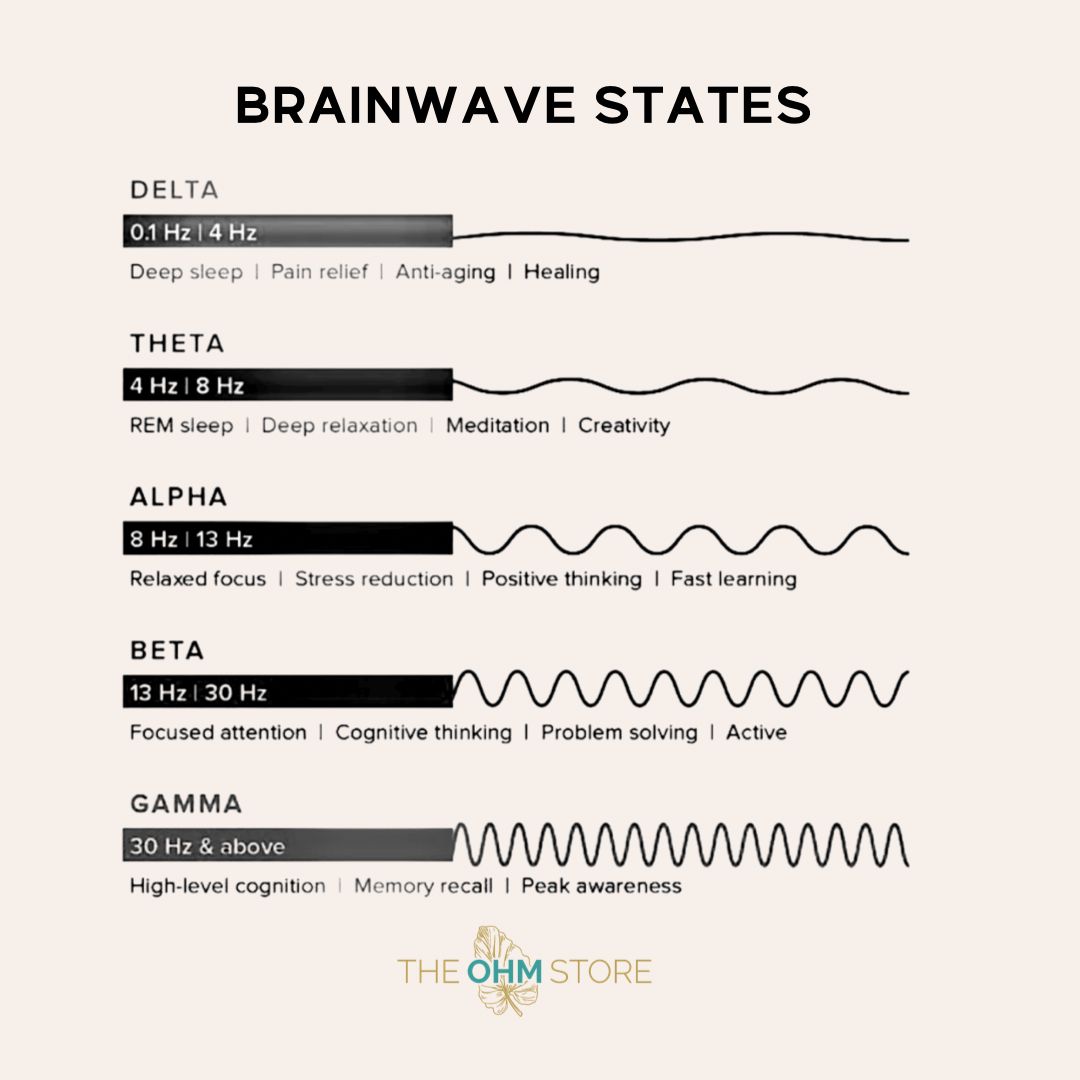
The brain is highly responsive to rhythmic sensory input. Certain sound frequencies and rhythmic vibrations may influence brainwave activity through a process known as brainwave entrainment, where the brain naturally begins to synchronise with external rhythmic patterns.
This is why certain sounds, music and meditation frequencies are commonly used to encourage relaxed states.
Potential benefits may include:
• A quieter mind
• Deeper relaxation
• Improved meditation states
• Reduced mental fatigue
• Support for better sleep patterns
• Enhanced emotional wellbeing
Many people describe the experience as similar to entering a deeply meditative state.
What Can Acoustic Resonance Therapy Support?
People commonly seek Acoustic Resonance Therapy for support with:
• Stress and nervous system overload
• Anxiety and feelings of tension
• Burnout and mental fatigue
• Difficulty relaxing or switching off
• Poor sleep quality
• Muscle tightness and physical tension
• Recovery after periods of high stress
• Emotional wellbeing
• General health optimisation and relaxation
It is especially popular among people who feel constantly “switched on” and are looking for a non-invasive way to give their body time and space to recover.
Contact
Reach out for appointments or questions
Phone
3863 2661
© 2025. All rights reserved.
address
94 Kirby Road, Aspley